
Embark on a journey through the realm of DIY fixes, where everyday problems meet practical solutions. This guide offers insights into common household repairs, plumbing fixes, electrical tasks, and wall repairs, ensuring you're equipped with the knowledge to handle any DIY challenge that comes your way.
Common DIY Fixes
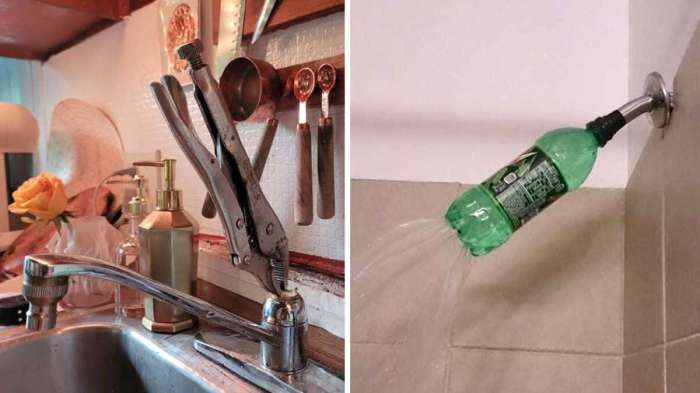
When it comes to household maintenance, being able to tackle some common DIY fixes can save you time and money. Here are three common DIY fixes that you can easily handle on your own:
Leaky Faucet
A leaky faucet is a common issue that can waste a significant amount of water if left unfixed. To address this problem, you can start by turning off the water supply to the faucet. Then, disassemble the faucet and inspect the washers and O-rings for any damage.
Replace any worn-out parts and reassemble the faucet to stop the leak.
Clogged Drain
Clogged drains can cause water to back up and create a mess in your sink or bathtub. One simple DIY fix for this is to use a mixture of baking soda and vinegar to break down the clog. Pour the mixture down the drain, let it sit for a while, and then flush it with hot water to clear the blockage.
Loose Screws and Nails
Over time, screws and nails in furniture or fixtures can become loose, posing a safety hazard. It is important to have a basic toolkit with a screwdriver and hammer to tighten or replace these fasteners as needed. Regularly check for loose screws and nails around your home to prevent accidents.
The Importance of Having a Basic Toolkit for DIY Fixes
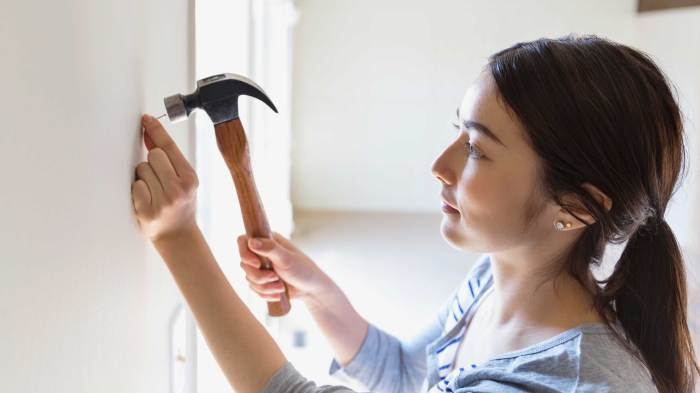
Having a basic toolkit with essential tools like a screwdriver, hammer, pliers, and tape measure is crucial for handling DIY fixes around the house. With the right tools on hand, you can quickly address minor repairs and maintenance tasks without having to call a professional, saving both time and money.
Tips on How to Prioritize DIY Fixes Based on Urgency
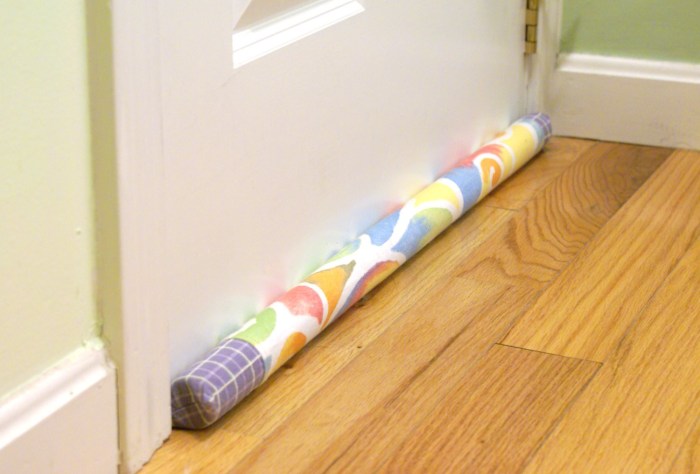
When faced with multiple DIY fixes to tackle, it is important to prioritize them based on their urgency. Start by identifying any safety hazards or issues that could cause further damage if not addressed promptly. Once you have addressed urgent repairs, you can move on to less critical fixes to maintain the overall condition of your home.
Plumbing DIY Fixes
To keep your plumbing in top shape, it's essential to know how to address common issues that may arise. From leaky faucets to clogged drains, having some basic plumbing knowledge can save you time and money in the long run.
Fixing a Leaky Faucet
One of the most common plumbing issues homeowners face is a leaky faucet. Here's a step-by-step guide to help you fix it:
- Turn off the water supply to the faucet.
- Remove the handle by unscrewing it.
- Use a wrench to loosen and remove the nut that holds the faucet in place.
- Take out the old washer and replace it with a new one.
- Reassemble the faucet and turn the water supply back on to check for leaks.
Tools Needed for Basic Plumbing DIY Fixes
Having the right tools can make all the difference when it comes to tackling plumbing issues on your own. Here are some essential tools you should have in your toolbox:
- Adjustable wrench
- Pipe wrench
- Plumber's tape
- Plunger
- Plumbing snake
Personal Experience
Recently, I had a leaky pipe under the sink in my kitchen
Not only did I save money on hiring a professional plumber, but I also gained valuable experience in handling plumbing issues around the house.
Electrical DIY Fixes
When attempting electrical DIY fixes, it is crucial to prioritize safety above all else. Always turn off the power to the circuit you are working on at the breaker box, use insulated tools, and never work on live wires. If you are unsure or uncomfortable with the task at hand, it is best to seek professional help to avoid any accidents or injuries.
Safety Precautions for Electrical DIY Fixes
- Always turn off the power at the breaker box before starting any electrical work.
- Use insulated tools to avoid the risk of electrocution.
- Avoid working on wet surfaces or with wet hands to prevent electrical shocks.
- If you are unsure about the task, consult a professional electrician for guidance.
Common Electrical Issues for DIY Fixes
- Replacing a light switch
- Fixing a tripped circuit breaker
- Installing a new electrical outlet
- Replacing a damaged electrical cord
How to Replace a Light Switch as a DIY Fix
Replacing a light switch is a common electrical DIY fix that can be done with caution and the right tools. Here is a step-by-step guide to help you through the process:
- Turn off the power to the circuit at the breaker box.
- Remove the cover plate of the switch by unscrewing it.
- Use a voltage tester to ensure the power is off before proceeding.
- Unscrew the switch from the electrical box and pull it out.
- Disconnect the wires from the old switch and connect them to the new switch in the same configuration.
- Screw the new switch back into the electrical box and attach the cover plate.
- Turn the power back on at the breaker box and test the new switch to ensure it is working properly.
Wall Repair DIY Fixes
When it comes to wall repair DIY fixes, one common issue that homeowners face is patching up small holes in drywall. Whether it's from accidentally bumping into the wall or removing a nail, knowing how to properly patch these holes can save you time and money.
Patching a Small Hole in Drywall
If you have a small hole in your drywall, you can easily fix it using the following steps:
- Clean the area around the hole to remove any loose debris.
- Cut a piece of self-adhesive mesh patch slightly larger than the hole.
- Place the patch over the hole and press firmly to ensure it sticks to the wall.
- Apply a thin layer of spackling compound over the patch, feathering the edges to blend with the wall.
- Once the compound is dry, sand it smooth and paint over it to match the rest of the wall.
Types of Wall Repairs and DIY Solutions
There are different types of wall repairs that may require DIY solutions, such as:
- Cracks in the drywall
- Dents or dings
- Water damage
For each type of repair, the process may vary, but the general steps involve cleaning the area, applying the necessary patching material, sanding, and painting.
Before-and-After Photos
Seeing the transformation of a wall repair project can be satisfying. Here are some before-and-after photos of successful wall repair DIY fixes:
- Before: A noticeable hole in the drywall.
- After: The hole patched up seamlessly, blending with the rest of the wall.
Closing Notes
In conclusion, DIY fixes empower you to take charge of your living space and address issues with confidence. By mastering these essential skills, you can save time, money, and stress while transforming your home into a haven of functionality and comfort.
FAQ Corner
What are the most common DIY fixes?
Common DIY fixes include repairing leaky faucets, patching drywall holes, and replacing light switches.
Why is it important to have a basic toolkit for DIY fixes?
A basic toolkit is essential for handling various household repairs efficiently and effectively.
How can I prioritize DIY fixes based on urgency?
Prioritize DIY fixes by assessing the severity of the issue and addressing critical repairs first.