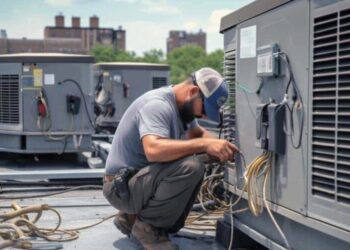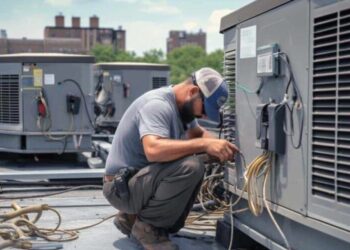

Exploring the intricacies of cooling systems, this introduction delves into the essential components, maintenance tips, and common issues faced by vehicle and machinery owners. With a blend of informative content and engaging language, readers are sure to find this guide both enlightening and practical.
In the following paragraphs, we will discuss the purpose of cooling systems, the types available, common problems that arise, maintenance practices, and the benefits of upgrading to enhance performance.
Introduction to Cooling Systems
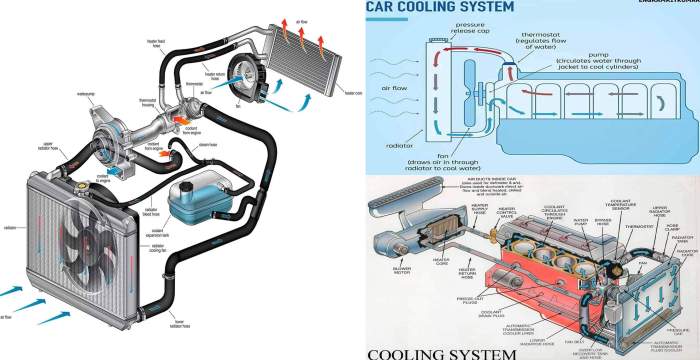
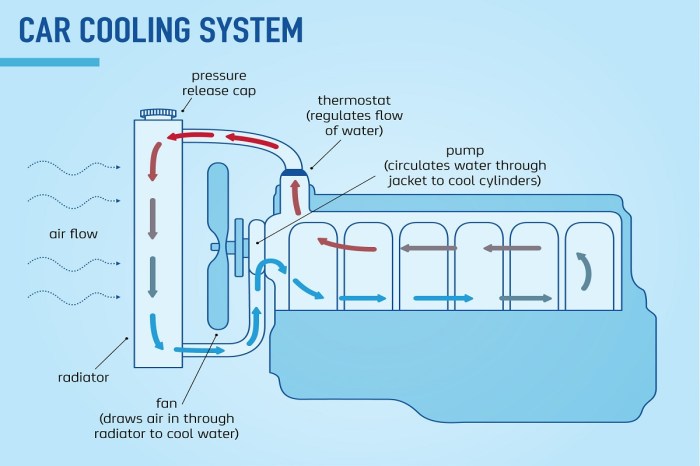
A cooling system in a vehicle or machinery is essential to regulate the temperature of the engine and prevent overheating. By dissipating excess heat generated during operation, the cooling system ensures that the engine functions optimally and avoids damage due to high temperatures.
Components of a Cooling System
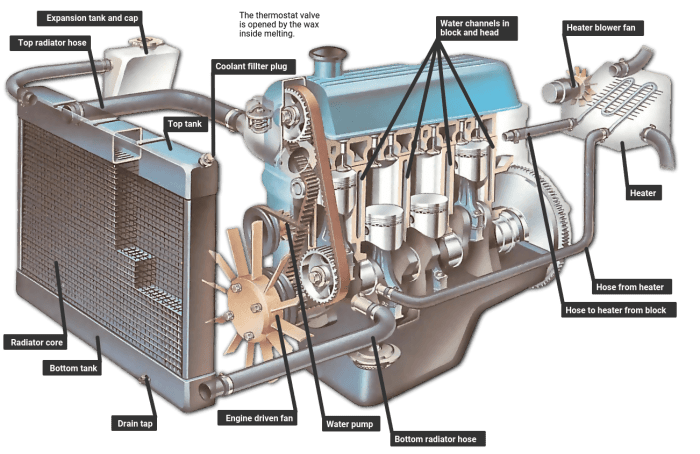
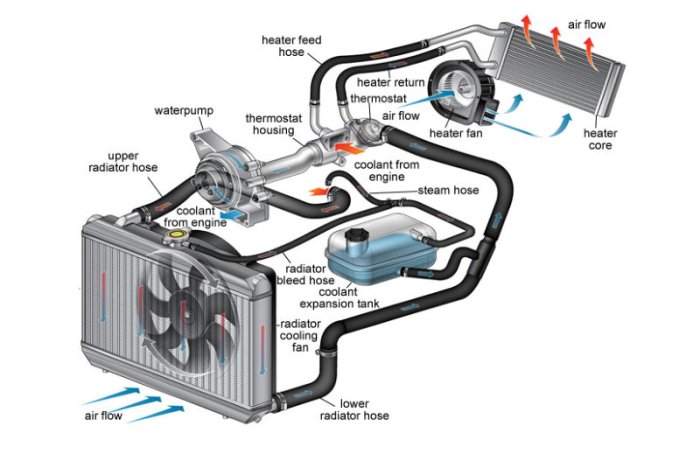
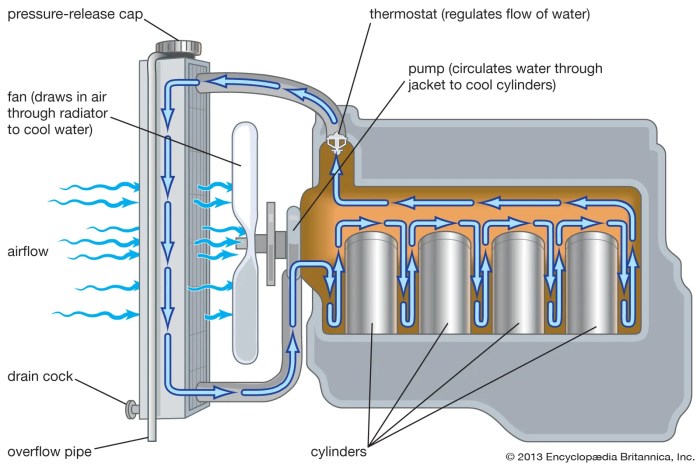
- Radiator: Responsible for cooling the coolant as it circulates through the system.
- Water Pump: Circulates the coolant throughout the engine and radiator.
- Thermostat: Regulates the flow of coolant to maintain the engine's operating temperature.
- Coolant: Absorbs heat from the engine and releases it through the radiator.
- Fan: Helps in cooling the radiator by blowing air through it.
Importance of Maintaining a Properly Functioning Cooling System
Regular maintenance of the cooling system is crucial to ensure the engine's longevity and efficiency. A properly functioning cooling system prevents overheating, which can lead to costly repairs and engine breakdowns. By checking coolant levels, inspecting for leaks, and replacing worn-out components, you can avoid potential issues and keep your vehicle or machinery running smoothly.
Types of Cooling Systems
Air cooling systems and liquid cooling systems are two common methods used to cool electronic devices and machinery. Each type has its own set of advantages and disadvantages, making them suitable for different applications.
Air Cooling Systems vs. Liquid Cooling Systems
Air cooling systems use fans to dissipate heat from a surface, while liquid cooling systems use a coolant (usually water) to absorb heat and transfer it away from the source. Air cooling systems are more common and easier to install, but liquid cooling systems are more efficient at cooling high-performance components.
Passive Cooling vs. Active Cooling Methods
Passive cooling methods rely on natural heat dissipation through conduction, convection, and radiation without the use of any additional power source. On the other hand, active cooling methods involve the use of fans, pumps, or other mechanical devices to enhance heat dissipation.
Passive cooling is quieter and more energy-efficient, but active cooling can provide better cooling performance.
Advantages and Disadvantages
- Air Cooling Systems:
- Advantages:
- Cost-effective and easy to install
- No risk of leakage
- Low maintenance requirements
- Disadvantages:
- Less efficient at cooling high-performance components
- Can be noisy under heavy load
- May not be suitable for extreme overclocking
- Liquid Cooling Systems:
- Advantages:
- Excellent cooling performance for high-end systems
- Less noisy compared to air cooling systems
- Can be more visually appealing
- Disadvantages:
- Higher initial cost and complexity
- Potential risk of leakage
- Requires periodic maintenance
Common Issues with Cooling Systems
When it comes to cooling systems, there are several common issues that can arise, causing disruptions in the proper functioning of the system. It is important to be aware of these issues to address them promptly and prevent any further damage.
Overheating
One of the most common problems with cooling systems is overheating. This can be caused by a variety of factors such as a leak in the cooling system, a faulty thermostat, or a malfunctioning radiator fan. Symptoms of overheating include steam coming from the engine, a rising temperature gauge, and a sweet smell of coolant.
To troubleshoot overheating issues, check for leaks, inspect the thermostat, and ensure the radiator fan is functioning properly.
Low Coolant Levels
Another common issue is low coolant levels. Coolant is essential for regulating the temperature of the engine, and low levels can lead to overheating
To troubleshoot this issue, check the coolant levels regularly and top up if necessary. Inspect for any leaks that may be causing the coolant to drain.
Clogged Radiator
A clogged radiator can also pose a problem for cooling systems. Over time, debris and dirt can build up in the radiator, restricting the flow of coolant and causing the engine to overheat. Symptoms of a clogged radiator include fluctuating temperature gauge readings and reduced cooling efficiency.
To troubleshoot this issue, consider flushing the radiator to remove any buildup of debris and dirt.
Cooling System Maintenance
Regular maintenance is crucial for keeping a cooling system running smoothly and efficiently. One of the key maintenance tasks is flushing and replacing coolant, which helps prevent corrosion and buildup that can lead to overheating. Additionally, inspecting and replacing cooling system components like hoses and thermostats is important to ensure proper functioning and prevent leaks or malfunctions.
Importance of Flushing and Replacing Coolant
Flushing and replacing coolant is essential to maintain the cooling system's efficiency and prevent costly damage. Over time, coolant can become contaminated with rust, dirt, and other debris, reducing its ability to regulate engine temperature. Regular flushing ensures that fresh coolant is circulating properly, providing optimal cooling performance and extending the life of the system.
Inspecting and Replacing Cooling System Components
Proper inspection of cooling system components like hoses and thermostats is vital to identify any signs of wear or damage. Cracked or worn hoses can lead to coolant leaks, while a malfunctioning thermostat can cause overheating or inefficient cooling. Regularly checking these components and replacing them as needed helps prevent breakdowns and ensures the cooling system operates effectively.
Upgrading Cooling Systems
Upgrading a stock cooling system can bring several benefits, especially for high-performance vehicles or machinery. By enhancing the cooling system, you can improve overall performance, increase efficiency, and prevent overheating issues.
Aftermarket Cooling System Components
When upgrading a cooling system, there are various aftermarket components that can help enhance performance. Some examples include:
- Performance radiator for better heat dissipation
- High-flow water pump for improved coolant circulation
- Thermostats with lower temperature ratings for better cooling efficiency
- Coolant additives for corrosion protection and improved heat transfer
Considerations for High-Performance Vehicles
When upgrading a cooling system for high-performance vehicles or machinery, it is essential to consider the following factors:
- Engine power and cooling requirements
- Operating conditions and environment (e.g., extreme temperatures, heavy loads)
- Budget for aftermarket components and installation
- Compatibility of upgraded components with existing systems
- Professional installation and tuning for optimal performance
Wrap-Up
In conclusion, understanding the ins and outs of cooling systems is crucial for ensuring the longevity and efficiency of your vehicle or machinery. By following the maintenance tips and being aware of potential issues, you can keep your cooling system running smoothly for years to come.
FAQ Explained
What are the signs of a failing cooling system?
Common signs include overheating, coolant leaks, and strange noises coming from the engine.
How often should coolant be replaced?
It is recommended to replace coolant every 2-5 years or as specified by your vehicle manufacturer.
Can I use water instead of coolant in my cooling system?
While water can be used in emergencies, it is not recommended for regular use as it lacks the protective properties of coolant.
What are the benefits of upgrading a cooling system?
Upgrading can improve cooling efficiency, prevent overheating, and enhance overall performance of your vehicle or machinery.
How do I troubleshoot a cooling system problem?
Start by checking for leaks, ensuring proper coolant levels, and inspecting components like hoses and the radiator for any damage.