
Exploring the world of emergency AC repair, this guide covers everything you need to know to handle unexpected cooling crises with ease. From understanding the importance of prompt repairs to recognizing common signs of trouble, we've got you covered. So, let's dive in and ensure you stay cool and comfortable no matter what Mother Nature throws your way.
When it comes to emergency AC repair, being prepared and informed can make all the difference. Let's explore the crucial aspects of maintaining a functional AC system, especially during those unexpected breakdowns.
Importance of Emergency AC Repair
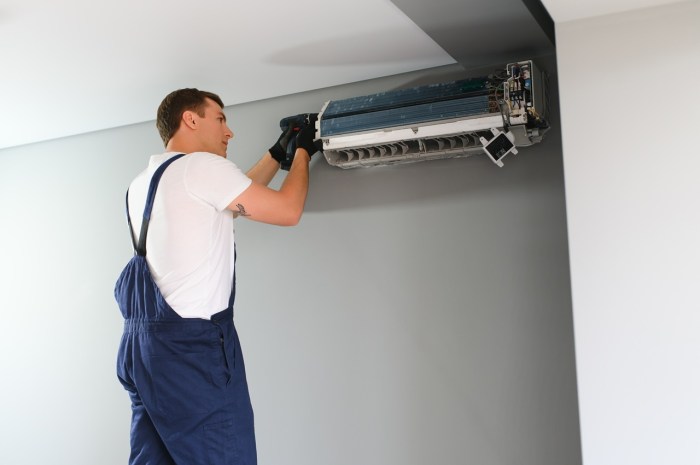
Emergency AC repair plays a crucial role in maintaining a comfortable living environment for both residential and commercial spaces. When the air conditioning system malfunctions unexpectedly, it can lead to various issues that affect not only the comfort but also the health and well-being of occupants.
Potential Risks of Delaying Emergency AC Repairs
- Increased indoor temperatures can result in heat-related illnesses such as heat exhaustion or heatstroke.
- Poor air quality due to a malfunctioning AC can exacerbate respiratory conditions and allergies.
- Damage to the air conditioning unit may worsen over time, leading to more extensive and costly repairs.
Impact of Extreme Temperatures on Health and Well-being
- Exposure to high temperatures for prolonged periods can cause dehydration, fatigue, and dizziness.
- Elderly individuals, children, and individuals with pre-existing health conditions are particularly vulnerable to the effects of extreme heat.
- Extreme temperatures can also disrupt sleep patterns and overall comfort, affecting productivity and daily activities.
Common Causes of Emergency AC Repairs
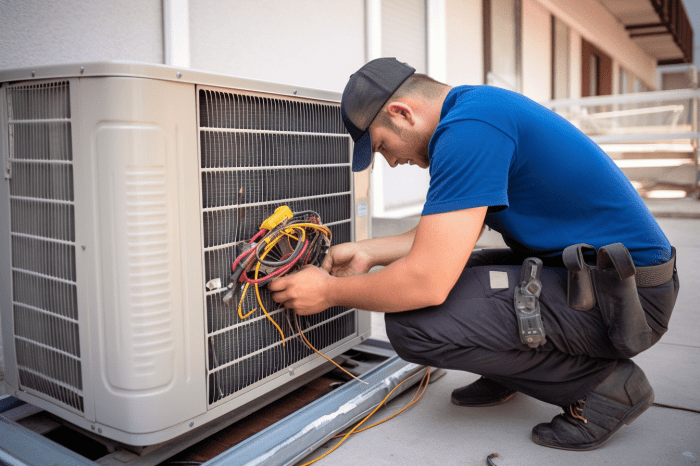
Emergency AC repairs can be caused by a variety of factors, ranging from lack of maintenance to external influences like weather conditions. Understanding these common issues can help you prevent sudden breakdowns and ensure your AC system runs smoothly.
Lack of Maintenance
One of the primary reasons for emergency AC repairs is the lack of regular maintenance. Over time, dust, dirt, and debris can accumulate in the system, leading to clogged filters, reduced airflow, and strain on the components. This can ultimately result in sudden breakdowns when the system is unable to cope with the added stress.
Weather Conditions
Extreme weather conditions, such as heatwaves or severe storms, can also have a significant impact on your AC system. High temperatures can cause the system to overwork, leading to overheating and potential malfunctions. Similarly, heavy rain or flooding can damage the outdoor unit or electrical components, resulting in the need for emergency repairs.
Signs that Indicate the Need for Emergency AC Repair
When it comes to your AC unit, being able to recognize signs that indicate the need for emergency repair is crucial. Ignoring these warning signals can lead to more significant issues and costly repairs down the line. Here are some common signs to watch out for:
Strange Noises
- Clanking, banging, or rattling sounds coming from your AC unit can indicate loose or broken parts that need immediate attention.
- A high-pitched squealing noise may suggest a problem with the fan belt or motor bearings.
- Hissing or bubbling noises could be a sign of a refrigerant leak, which is a serious issue that requires prompt repair.
Odd Smells
- Musty or moldy smells coming from your vents can indicate mold growth in your AC system, which can be harmful to your health.
- A burning odor could mean that the wire insulation in your AC unit is melting, which poses a fire hazard and requires immediate attention.
- A pungent smell like rotten eggs could be a sign of a gas leak in your AC system, which is extremely dangerous and needs emergency repair.
Warm Air Blowing from Vents
- If your AC is blowing warm air instead of cool air, it could indicate a refrigerant leak, a malfunctioning compressor, or a clogged air filter.
- Inadequate cooling can also be caused by a faulty thermostat or a problem with the ductwork, which should be addressed promptly.
- Ignoring warm air blowing from your vents can lead to increased energy bills and further damage to your AC unit.
Steps to Take During an AC Emergency
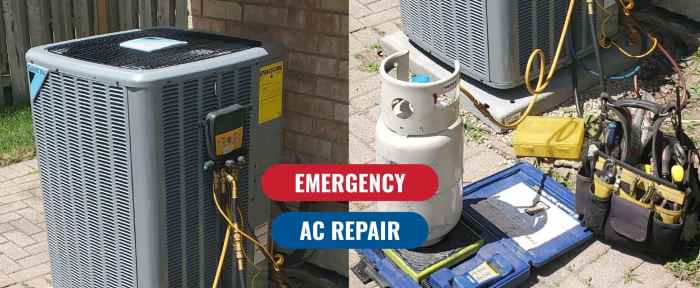
During an AC emergency, it's essential to act swiftly and effectively to ensure the safety of your home and family. Here are the steps homeowners should take when facing an AC emergency:
Safety Measures
- Turn off the power: Before attempting any DIY fixes or troubleshooting, make sure to turn off the power to your AC unit to avoid any electrical accidents.
- Check for leaks: If you notice any water leaks or strange sounds coming from your AC unit, it's crucial to address these issues immediately to prevent further damage.
- Clear the area: Ensure that the area around your AC unit is clear of any obstacles or debris that could obstruct airflow or cause overheating.
Troubleshooting Minor AC Problems
- Check the thermostat: Make sure the thermostat is set to cool and the temperature is lower than the current room temperature.
- Inspect the air filter: A dirty or clogged air filter can restrict airflow and cause your AC unit to malfunction. Replace the filter if necessary.
- Examine the circuit breaker: If your AC unit is not turning on, check the circuit breaker to see if it has tripped. Reset it if needed.
Last Point
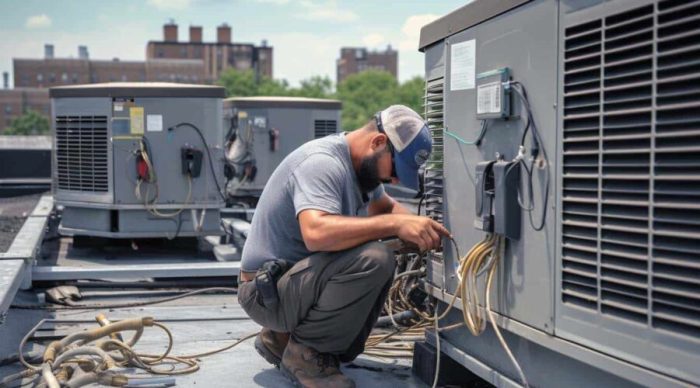
In conclusion, staying proactive and informed about emergency AC repair can save you from sweltering heat and discomfort. By recognizing the signs, knowing what to do in an emergency, and prioritizing prompt repairs, you can ensure your home remains a cool oasis even in the hottest of days.
Stay cool, stay informed, and stay comfortable.
Quick FAQs
What are the potential risks of delaying emergency AC repairs?
Delaying emergency AC repairs can lead to further damage to the system, higher repair costs, and prolonged discomfort in your living space.
How can lack of maintenance contribute to sudden AC breakdowns?
Failure to maintain your AC system regularly can result in clogged filters, dirty coils, and other issues that may lead to sudden breakdowns when the system is under stress.
What are some warning signs that homeowners should not ignore regarding their AC unit?
Unusual odors, loud noises, inconsistent cooling, or sudden spikes in energy bills are all warning signs that should not be ignored when it comes to your AC unit.