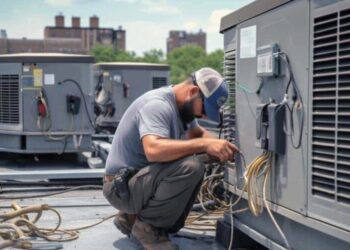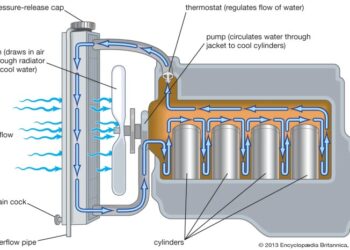

Exploring DIY HVAC tips, this introduction sets the stage for an in-depth look at how homeowners can effectively maintain, repair, and troubleshoot their HVAC systems. From basic maintenance to troubleshooting common issues, this guide offers valuable insights for those looking to enhance the performance and longevity of their HVAC units.
As we delve deeper into each aspect of DIY HVAC care, readers will gain practical knowledge and actionable tips to ensure their systems run smoothly and efficiently.
Importance of DIY HVAC Maintenance
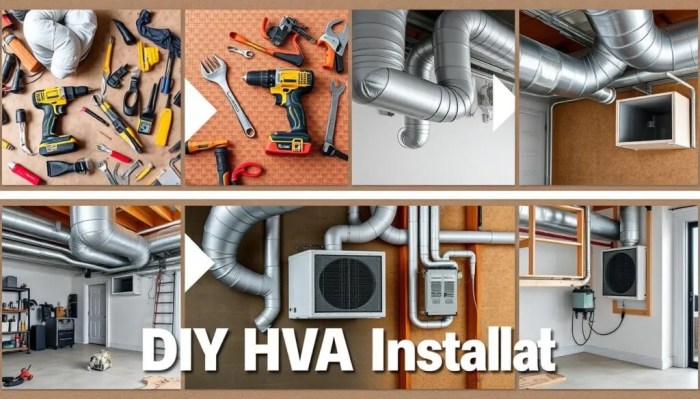
Performing regular DIY HVAC maintenance is crucial for ensuring the efficient operation of your heating, ventilation, and air conditioning system. Not only does it help in maximizing the performance of your HVAC system, but it also contributes to lower energy bills, improved indoor air quality, and increased comfort in your home.
Benefits of DIY HVAC Maintenance
- Prevention of breakdowns: Regular maintenance helps in identifying and addressing potential issues before they escalate into major problems, leading to costly repairs.
- Improved energy efficiency: Cleaning or replacing air filters, checking for leaks, and ensuring proper airflow can enhance the energy efficiency of your HVAC system, reducing energy consumption and lowering utility bills.
- Extended lifespan of HVAC system: By performing DIY maintenance tasks such as cleaning coils, lubricating moving parts, and inspecting electrical connections, you can prolong the lifespan of your HVAC system, avoiding premature replacements.
Basic Tools Needed for DIY HVAC Repairs
When it comes to tackling HVAC repairs on your own, having the right tools is essential to ensure a successful outcome. Here are some basic tools that you should have in your toolkit for DIY HVAC repairs:
Multimeter
A multimeter is a must-have tool for troubleshooting electrical issues in your HVAC system. It allows you to measure voltage, current, and resistance, helping you identify any faulty components that may be causing problems.
Screwdriver Set
A good set of screwdrivers in various sizes and types is necessary for accessing different parts of your HVAC system. Whether you need to tighten loose screws or remove panels for inspection, having the right screwdriver on hand is crucial.
Adjustable Wrench
An adjustable wrench is handy for tightening or loosening nuts and bolts in your HVAC system. It allows you to work on various sizes of fasteners without having to switch between different wrench sizes.
Tape Measure
A tape measure is useful for taking accurate measurements when installing or replacing HVAC components. Ensuring precise measurements can help prevent costly mistakes during the repair process.
Wire Strippers
Wire strippers are essential for safely removing insulation from electrical wires when making connections or repairs. They help you expose the bare wire without damaging it, ensuring a secure and reliable connection.
Pliers
A good pair of pliers is versatile for various tasks, such as bending, gripping, or cutting wires in your HVAC system. They come in handy when you need to manipulate small components or reach tight spaces.
Flashlight
A reliable flashlight is crucial for illuminating dark areas of your HVAC system, making it easier to spot potential issues or inspect components. Having a flashlight with a strong beam can help you work more efficiently.
Where to Purchase Tools
You can find these essential tools for DIY HVAC repairs at your local hardware store, home improvement center, or online retailers. Consider looking for deals or discounts to source these tools affordably without compromising on quality.
DIY HVAC Cleaning Techniques
Regular cleaning of HVAC components is essential to ensure efficient operation and prolong the lifespan of your system. Here are some DIY cleaning techniques to help you maintain your HVAC system.
Cleaning HVAC Filters
One of the most important tasks in HVAC maintenance is cleaning or replacing the filters regularly. Clogged filters restrict airflow, reducing efficiency and causing strain on the system.
- Turn off the HVAC system before removing the filter to avoid any damage.
- Check the filter for dirt, dust, and debris. If disposable, replace it with a new one. If reusable, clean it with water and mild detergent, then let it dry completely before reinserting.
- Make sure the filter is properly seated in its place to prevent air leakage.
Cleaning Air Ducts and Vents
Over time, dust, allergens, and other particles can accumulate in air ducts and vents, affecting indoor air quality and HVAC efficiency. Regular cleaning is crucial to prevent blockages and ensure proper airflow.
- Remove vent covers and vacuum any visible dust or debris. Use a brush attachment to clean hard-to-reach areas.
- Inspect air ducts for mold, mildew, or excessive dirt buildup. Use a damp cloth or mild detergent to clean the ducts thoroughly.
- Consider hiring a professional duct cleaning service if you notice significant contamination or mold growth.
Importance of Regular Cleaning
Regular cleaning of HVAC components not only improves system efficiency but also enhances indoor air quality and reduces the risk of system breakdowns. By maintaining a clean HVAC system, you can enjoy better comfort and lower energy bills.
Troubleshooting Common HVAC Problems
When it comes to HVAC systems, there are several common issues that can arise. Being able to troubleshoot these problems can save you time and money, but it's important to know when to seek professional help.One of the most common HVAC problems is a lack of airflow.
This can be caused by a dirty air filter, blocked vents, or issues with the blower motor. If you notice weak airflow coming from your vents, it's important to check these potential causes.Another common issue is a malfunctioning thermostat. If your HVAC system is not responding to temperature settings or is constantly running, the thermostat may be to blame.
Checking the batteries, recalibrating the thermostat, or replacing it altogether can help resolve this issue.Refrigerant leaks are also a common problem with HVAC systems. If you notice a decrease in cooling performance or hissing noises coming from the unit, there may be a refrigerant leak.
It's important to address this issue promptly to prevent further damage to your system.
Diagnosing and Repairing Common HVAC Problems
- Check for clogged air filters, blocked vents, or issues with the blower motor to address airflow problems.
- Inspect and recalibrate the thermostat, replace batteries, or replace the unit if necessary to fix thermostat malfunctions.
- Look for signs of refrigerant leaks, such as decreased cooling performance or hissing noises, and address promptly.
Remember, while DIY troubleshooting can help resolve many common HVAC problems, there are times when it's best to seek professional help. If you're unsure about the root cause of the issue, if the problem persists after attempting DIY repairs, or if the repair involves complex electrical or mechanical components, it's best to contact a qualified HVAC technician.
Knowing when to seek professional help can prevent further damage and ensure the longevity of your HVAC system.
Conclusive Thoughts
In conclusion, mastering DIY HVAC tips empowers homeowners to take control of their indoor comfort and system functionality. By following the guidelines Artikeld in this comprehensive guide, individuals can save money, increase efficiency, and enjoy a comfortable environment year-round.
Frequently Asked Questions
What are the benefits of performing DIY HVAC maintenance?
DIY HVAC maintenance helps improve system efficiency, reduces the risk of breakdowns, and can extend the lifespan of your HVAC unit.
Where can essential tools for DIY HVAC repairs be sourced affordably?
You can find essential tools for DIY HVAC repairs at hardware stores, online retailers, or specialty HVAC supply shops.
How often should HVAC filters be cleaned?
HVAC filters should ideally be cleaned or replaced every 1-3 months to maintain optimal system performance.
When should you seek professional help for HVAC issues?
If you encounter complex issues or feel unsure about DIY repairs, it's best to seek professional help to avoid further damage.