
Dive into the realm of HVAC tune-up costs as we uncover the key factors influencing prices, average costs for different systems, the debate between DIY and professional services, and effective ways to save on expenses. This insightful overview will shed light on an often overlooked aspect of home maintenance.
Factors affecting HVAC tune-up cost
When it comes to the cost of HVAC tune-ups, several factors play a significant role in determining the overall expenses involved. Understanding these key components can help you budget effectively and make informed decisions regarding your HVAC system maintenance.
Age of the HVAC system
The age of your HVAC system can greatly impact the cost of a tune-up. Older systems may require more extensive maintenance and repairs, driving up the overall expense. Additionally, older systems may be more prone to breakdowns, leading to higher repair costs in the long run.
Maintenance frequency
The frequency at which you schedule tune-ups for your HVAC system can also affect the overall cost. Regular maintenance can help prevent major issues and keep your system running efficiently, reducing the need for costly repairs. On the other hand, neglecting regular tune-ups can result in more extensive and expensive repairs down the line.
Size and complexity of the system
The size and complexity of your HVAC system can impact the tune-up expenses as well. Larger systems or those with more intricate components may require additional time and resources to inspect and maintain, leading to higher costs. Understanding the size and complexity of your system can give you a better idea of what to expect in terms of tune-up expenses.
Average costs of HVAC tune-ups
When it comes to HVAC tune-ups, the average costs can vary depending on the type of system and the services included in the package. Here is a breakdown of the average costs associated with HVAC tune-ups:
Central Air Conditioning
For central air conditioning systems, the average cost of a tune-up typically ranges from $75 to $200. This cost may include services such as cleaning the coils, checking refrigerant levels, and inspecting the ductwork.
Heat Pumps
The average cost of a tune-up for heat pumps usually falls between $80 and $150. This price range covers tasks like lubricating moving parts, checking the electrical connections, and testing the thermostat.
Furnaces
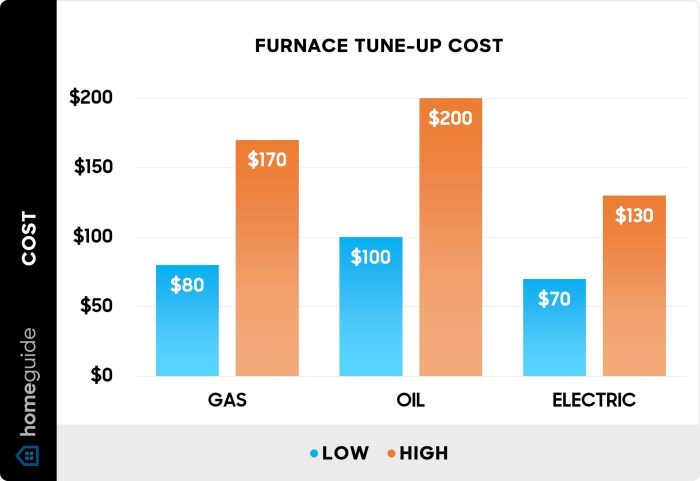
When it comes to furnaces, the average cost of a tune-up can range from $80 to $150. This cost may encompass services like inspecting the heat exchanger, cleaning the burner assembly, and checking for gas leaks.
Additional Services
In addition to the basic tune-up services, some HVAC companies may offer additional services at an extra cost. These can include tasks like replacing air filters, calibrating the thermostat, or performing a duct inspection. The prices for these additional services can vary depending on the provider.
Seasonal Variations
It's important to note that HVAC tune-up costs may fluctuate seasonally. For example, getting a tune-up during the off-peak seasons, such as spring or fall, may be more affordable compared to peak seasons like summer or winter when HVAC companies are busier.
Taking advantage of promotional offers or discounts during these off-peak times can help save on tune-up expenses.
DIY vs. Professional HVAC tune-up
When it comes to HVAC tune-ups, homeowners often debate whether to tackle the job themselves or hire a professional service. Each option comes with its own set of advantages and disadvantages, as well as varying costs and risks. Let's delve into the comparison between a DIY tune-up and hiring a professional for your HVAC maintenance needs.
Advantages and Disadvantages
- DIY Tune-Up:One of the main advantages of opting for a DIY tune-up is cost-saving. You can avoid service fees by performing the maintenance tasks yourself. However, the downside is that you may lack the expertise and tools required for a thorough inspection and tune-up, which can lead to potential oversights or mistakes that could result in costly repairs down the line.
- Professional Tune-Up:Hiring a professional HVAC service ensures that your system receives a comprehensive inspection and tune-up by experienced technicians. They have the necessary skills and equipment to identify any potential issues and address them promptly. The downside is the higher cost associated with professional services compared to a DIY approach.
Cost Comparison
- On average, a DIY HVAC tune-up can cost between $20 to $50 for basic maintenance tools and supplies. In contrast, hiring a professional service for a thorough tune-up can range from $100 to $300 or more, depending on the complexity of the job and any additional repairs needed.
Risks and Impact on Costs
- Opting for a DIY HVAC maintenance approach can pose risks if you are not familiar with the system's components and maintenance requirements. Making mistakes during the tune-up process can potentially lead to costly repairs or even system damage, ultimately increasing the overall maintenance costs.
Tips for DIY vs. Professional Tune-Up
- DIY:If you have basic knowledge of HVAC systems and are comfortable performing simple maintenance tasks like cleaning filters or checking ducts, a DIY approach may suffice. However, for more complex tune-up tasks or if you are unsure about the system's intricacies, it's best to leave it to the professionals.
- Professional:Consider hiring a professional HVAC service for annual tune-ups or when you notice any issues with your system that require expert attention. Investing in professional maintenance can help prevent costly repairs in the long run and ensure your HVAC system operates efficiently.
Ways to save on HVAC tune-up costs
When it comes to HVAC tune-up costs, homeowners can implement various strategies to minimize expenses and ensure their system is running efficiently. By following these cost-saving tips, you can potentially reduce the overall maintenance costs and prevent costly repairs in the long run.
Regular Maintenance and Preventative Measures
Regular maintenance is key to keeping your HVAC system in top condition and avoiding unexpected breakdowns. By scheduling routine tune-ups and changing air filters regularly, you can improve the efficiency of your system and prevent major issues from arising. Investing in preventative measures can save you money in the long term by avoiding expensive repairs.
Discounts, Promotions, and Maintenance Plans
Many HVAC companies offer discounts, promotions, and maintenance plans to help homeowners save on tune-up costs. These programs often include discounted rates on services, priority scheduling, and additional benefits to ensure your system is well-maintained without breaking the bank. Check with your local HVAC provider to see if they offer any cost-saving options.
DIY Maintenance and Simple Repairs
Some basic maintenance tasks can be performed by homeowners themselves, such as cleaning air vents, checking thermostat settings, and clearing debris around the outdoor unit. By taking care of these simple tasks regularly, you can extend the life of your HVAC system and reduce the need for professional repairs.
However, it's important to know your limits and hire a professional for more complex issues.
Energy-Efficiency Upgrades
Consider investing in energy-efficient upgrades for your HVAC system, such as programmable thermostats, smart vents, or high-efficiency filters. These upgrades can help reduce energy consumption, lower utility bills, and improve the overall performance of your system. While there may be upfront costs associated with these upgrades, the long-term savings can outweigh the initial investment.
Long-Term Benefits of Regular Maintenance
By prioritizing regular maintenance and implementing cost-saving measures, homeowners can enjoy the long-term benefits of a well-maintained HVAC system. Not only will you save money on repairs and replacements, but you'll also improve indoor air quality, increase comfort levels, and extend the lifespan of your system.
Investing in preventative maintenance now can lead to significant savings down the road.
Final Conclusion
In conclusion, understanding HVAC tune-up costs is essential for homeowners seeking to maintain their systems efficiently and affordably. By considering the factors, costs, DIY options, and savings tips discussed here, you'll be better equipped to make informed decisions about your HVAC maintenance.
Expert Answers
What factors can affect HVAC tune-up costs?
Factors such as system size, complexity, age, and maintenance frequency can all influence the cost of HVAC tune-ups.
What are the average costs of HVAC tune-ups?
The average costs vary depending on the type of system, with central air conditioning, heat pumps, and furnaces having different price ranges.
Is it better to opt for a DIY tune-up or hire a professional?
Both options have their advantages and disadvantages, with DIY tune-ups potentially saving money but professional services offering expertise and assurance.
How can homeowners save on HVAC tune-up costs?
Homeowners can save by practicing preventative maintenance, taking advantage of discounts or maintenance plans, and ensuring regular upkeep to avoid costly repairs in the future.